
Walk into a casino floor where clocks and windows are famously scarce, and you will notice how quickly a sensible session turns into a long one. That is exactly why I treat craps odds bet house edge as a retention metric first and a maths problem second. I manage high-value iGaming portfolios using CRM, player data and multi-channel communication to improve retention and lifetime value across international markets, so I read every bet through the lens of expected loss and session length. Before you place a single chip, bookmark luckyelfpromocode.com for any current welcome terms that might affect your starting bankroll.
The Maths Behind the Free Odds
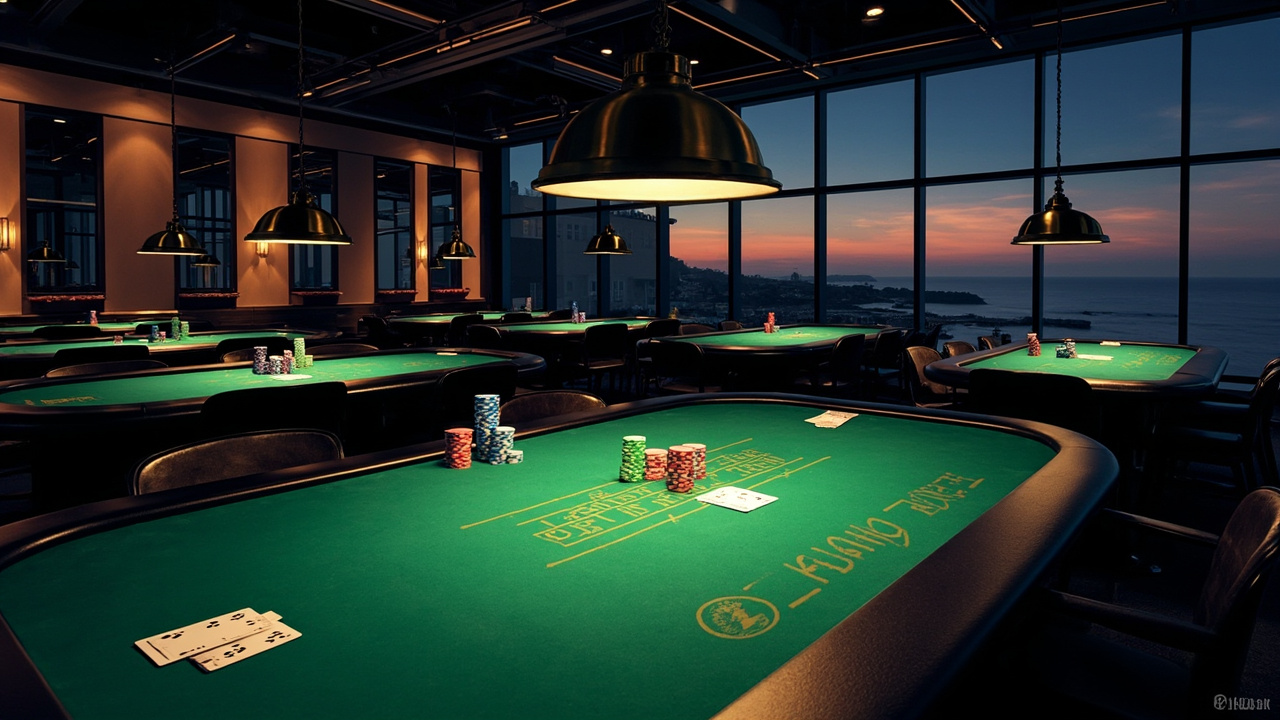
The pass and don’t pass lines carry a fixed house edge of about 1.41 per cent, which is already among the fairest wagers on a table. The odds bet sits behind that line and pays at true probability, so it carries zero house edge of its own. That distinction matters because the casino only earns on the line portion, while the odds portion simply slows your burn rate. In my portfolio work, I watch how players layer bets and I see the same pattern overseas: the moment someone treats the odds bet as a free lunch rather than a variance dampener, the session stretches and the expected loss climbs. If you want the full breakdown of how each wager stacks up, read this related article on the subject for a clearer picture of where the edge actually lives.
| Bet type | House edge | How it behaves |
|---|---|---|
| Pass line | 1.41% | Fixed edge, sets up the odds bet |
| Don’t pass | 1.36% | Slightly lower edge, different rhythm |
| Odds (behind line) | 0% | True odds payout, no additional edge |
| Place 6 or 8 | 1.52% | Standalone bet, no odds layer available |
That table is the whole conversation in one glance. The edge does not disappear because you take odds; it simply stops growing on the portion you place behind the line. I have seen players in Newcastle pubs and local clubs chase the illusion of a free ride, then wonder why a two-hour session feels longer than it should. The smart play is to size the odds bet to your line bet and keep the total exposure predictable, because responsible play always beats a clever-looking wager.
Where the Edge Actually Lives
Craps odds bet house edge is often misunderstood because people lump the line and the odds together and assume the combined number is the real cost. It is not. The combined edge drops as you increase the odds multiple, but only because the zero-edge portion dilutes the fixed line edge. That is a useful dilution, not a loophole, and it is the same kind of careful segmentation I apply when I separate high-retention players from churn risks in a CRM stack. You can track session length, deposit frequency and bet sizing across channels, then adjust your communication before a player drifts into overconfidence. The same discipline applies at the table: keep the line bet modest, take odds at a multiple you can afford, and never let the odds portion become the main event.
- Keep the pass or don’t pass line as your anchor bet.
- Take odds at a multiple that matches your bankroll, not your ego.
- Avoid proposition wagers that carry a much heavier edge.
- Treat every session as a fixed time window, not an open-ended run.
Those points are not glamorous, but they are the reason some players leave with their bankroll intact and others do not. I have run retention campaigns across time zones where the winning message was simply reminding players to set a limit before the arvo session turned into a late-night grind. The same logic holds here: the odds bet is a tool for controlling variance, not a secret path to profit.
That subtle nudge often separates a responsible session from a costly spiral, proving that simple safeguards outperform flashy promotions every time. If you want to see how small structural changes can reshape player behaviour, you can read more about it at the full breakdown. Ultimately, protecting your bottom line comes down to recognizing those quiet pressure points before they tip the scale.
A Quick Chat Over a Flat White
Two mates sit down after a weekend trip to a Newcastle club, nursing flat whites and talking through the table they just watched.
“You reckon the odds bet is actually free?” one asks.
“Not free, just zero edge on that slice,” the other replies.”The line still carries the edge, so you are slowing the bleed, not stopping it.”
“So why bother?”
“Because variance is what burns people out. If you keep the line small and take odds, the swings are easier to stomach and you do not end up chasing losses when the dice turn cold.”
That exchange is the whole point in plain language. The odds bet is not a magic trick; it is a way to structure your money so the for example house edge only applies where it actually applies. I have seen the same conversation play out in player support queues, where a calm explanation of the maths does more for responsible play than any flashy bonus wording ever could.
Fit for Your Session and Your Limits
If you are the kind of player who likes a structured table game with a clear edge profile, the pass or don’t pass line plus a sensible odds bet is a solid fit. If you prefer fast, high-variance proposition action, this is not that, and pretending otherwise is a quick way to misjudge your own risk. In my work, I judge fit by behaviour, not by marketing copy, and I would say the same here: choose the line bet you understand, layer odds only if the multiple suits your bankroll, and keep the session bounded. Whatever the game, the smartest and safest bet is always to gamble responsibly, because no table layout or payout schedule changes the fact that the house always has a long-run advantage.luckyelfpromocode.com
Sticky wilds remain in place across multiple spins in plenty of video slots, which is a very different mechanic from a craps table, but the underlying lesson is identical: know the rules of the product you are playing and do not confuse a feature with an edge. I have managed portfolios where the highest-lifetime-value players were the ones who understood the product first and the promotion second, and that same habit serves you well at craps. Treat the odds bet as a variance tool, keep your line bet disciplined, and you will have a much clearer read on where your money actually goes.